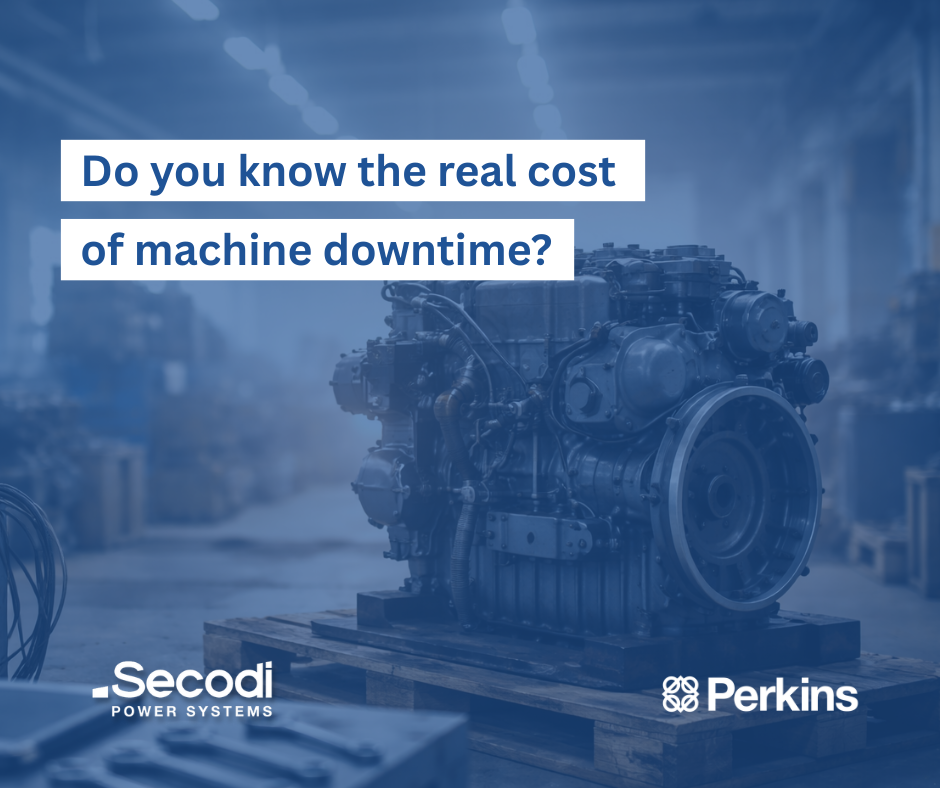
Most Engine Failures Don’t Happen Suddenly: How Critical Breakdowns Begin
Publicado el 26 de febrero de 2026
The myth of sudden failure
When a machine stops unexpectedly, it often feels like it happened without warning. However, most critical failures develop progressively.
Minor parameter deviations, intermittent noises or slight performance losses are often the first signs. The engine usually gives signals — they are simply not always interpreted correctly.
How failures announce themselves
Before a critical breakdown, engines often show:
Irregular starting
Changes in fuel consumption
Warning alerts that appear and disappear
Unstable performance under certain conditions
These signals can appear weeks or months before a complete shutdown.
Failure Prevention: anticipating instead of reacting
Engine failure prevention is not just about scheduled maintenance. It involves analysing real engine condition, interpreting data and identifying abnormal wear patterns.
A Failure Prevention strategy includes:
Identifying critical components
Monitoring their evolution
Acting before damage becomes irreversible
This approach reduces unexpected downtime and avoids emergency repairs.
The real cost of not anticipating
Addressing a failure only after it occurs leads to prolonged downtime, productivity loss and operational disruption.
Anticipation does not eliminate all risks, but it transforms a critical situation into a controlled decision.
Prevention means control
Early detection and technical planning improve engine reliability and extend service life.
The difference between reacting and anticipating often determines whether a situation remains manageable or becomes disruptive.
Want to reduce the risk of unexpected downtime?
Our technical team can help you assess your engines and design a tailored failure prevention strategy.